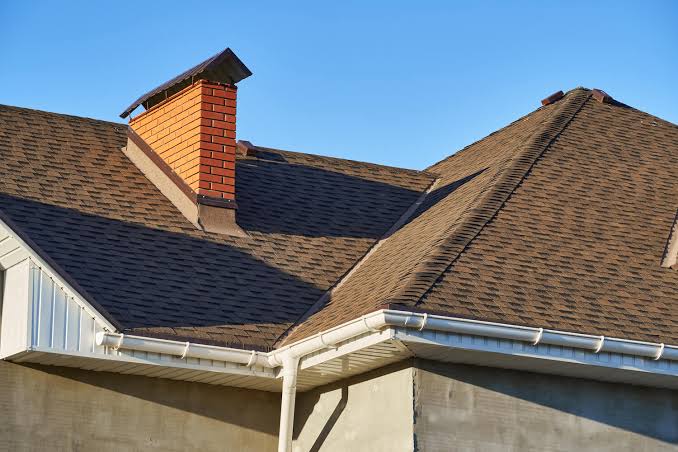
A family home relies on its roof every hour of the year. It keeps rain off plaster, protects wiring, limits heat transfer, and safeguards the timber frame that holds everything together. Minor faults can go unnoticed for months, only to later manifest as stains, swelling, or damp smells. Roof restoration gives ageing materials a renewed lease on life, helping homes stay dry, comfortable, and structurally sound.
Early Repairs Prevent Further Damage
Homes are subjected to elements such as heat, wind, heavy rain, and seasonal debris, so even minor faults warrant early attention. Services for roof restoration in Cranbourne can identify cracked tiles, weakened pointing, lifted flashing, and worn sealants before water can infiltrate the ceiling plaster, insulation, roof timbers, or stored belongings within homes.
Weather Protection Lasts Longer
Roof surfaces age through repeated exposure to water, heat, and wind. Restoration renews the outer barrier through processes such as cleaning, repair, sealing, and coating. Water then moves off the surface more cleanly. Less moisture accumulates under laps or ridges, which reduces decay risk in battens, rafters, plasterboard, and insulation.
Small Leaks Are Costly
Water can travel along timber, wiring, or ceiling joints before marks appear indoors. By then, mould, staining, swollen plaster, or softened framing may have already developed. Restoration checks vulnerable points and repairs them before dampness spreads into other rooms.
Structure Remains Strong
A dry roof cavity protects the structural integrity of the house. Battens, rafters, and trusses hold their shape best when moisture remains controlled. Restoration helps keep joints firm, ridge lines stable, and ceiling spaces ventilated. That stability reduces the risk of sagging and contributes to the long-term durability of the building.
Energy Use Can Improve
Heat enters many homes through ageing roofing. Dirty surfaces, failed seals, and worn coatings allow extra warmth to infiltrate into roof cavities. Restoration can improve reflectivity and help insulation systems work as intended. Rooms may feel more comfortable during summer, which reduces pressure on cooling systems.
Kerb Appeal Matters
A roof covers a large visual area, so wear is easy to notice. Stains, moss, faded coating, broken tiles, and loose ridges can make a house look neglected. Restoration refreshes colour, line, and surface condition. The result is cleaner presentation without the cost of full replacement.
Replacement Can Be Delayed
Replacing a roof is expensive, noisy, and disruptive. Restoration can delay that step when the underlying structure is still sound. Repointing, rebedding, tile replacement, cleaning, and coating can slow further deterioration. Families gain extra years of protection while planning future maintenance with less financial pressure.
Inspections Guide Decisions
A proper inspection is essential for distinguishing between urgent faults and cosmetic wear. Roofers assess tiles, valleys, flashing, gutters, bedding, pointing, and internal signs of water entry. Clear findings help homeowners determine the appropriate order for necessary repairs. Without that review, defects can be overlooked while funds are allocated to lower-priority repairs.
Tiles and Ridge Caps
Tiles form the broad weather shield, while ridge caps protect high joins. Cracked tiles allow water to enter. Loose caps can become dislodged during storms and open wider gaps. Restoration secures these points so the roof functions as one barrier.
Gutters and Valleys
Gutters and valleys control water movement. Blocked leaves, rust, poor fall, or cracked joints can push water back under tiles or into eaves. Cleaning, sealing, and repairs restore proper water flow. Better drainage reduces overflow, ceiling marks, wall dampness, and timber swelling near roof edges.
Health Risks Are Reduced
Moisture inside a house can affect indoor air quality. Damp roof spaces may encourage mould growth, musty odours, and airborne spores. These conditions can irritate sensitive lungs and make rooms feel unhealthy. Restoration reduces water entry, ensures cavities remain dry, and supports a cleaner living environment.
Conclusion
Roof restoration plays a crucial role in extending the lifespan of a family home by effectively preventing water ingress, minimising heat stress, protecting structural integrity, and reducing avoidable repair costs. It also improves comfort, appearance, indoor air quality, and long-term value. By addressing issues promptly, homes can remain safer, drier, and better equipped to handle changing weather conditions year after year.