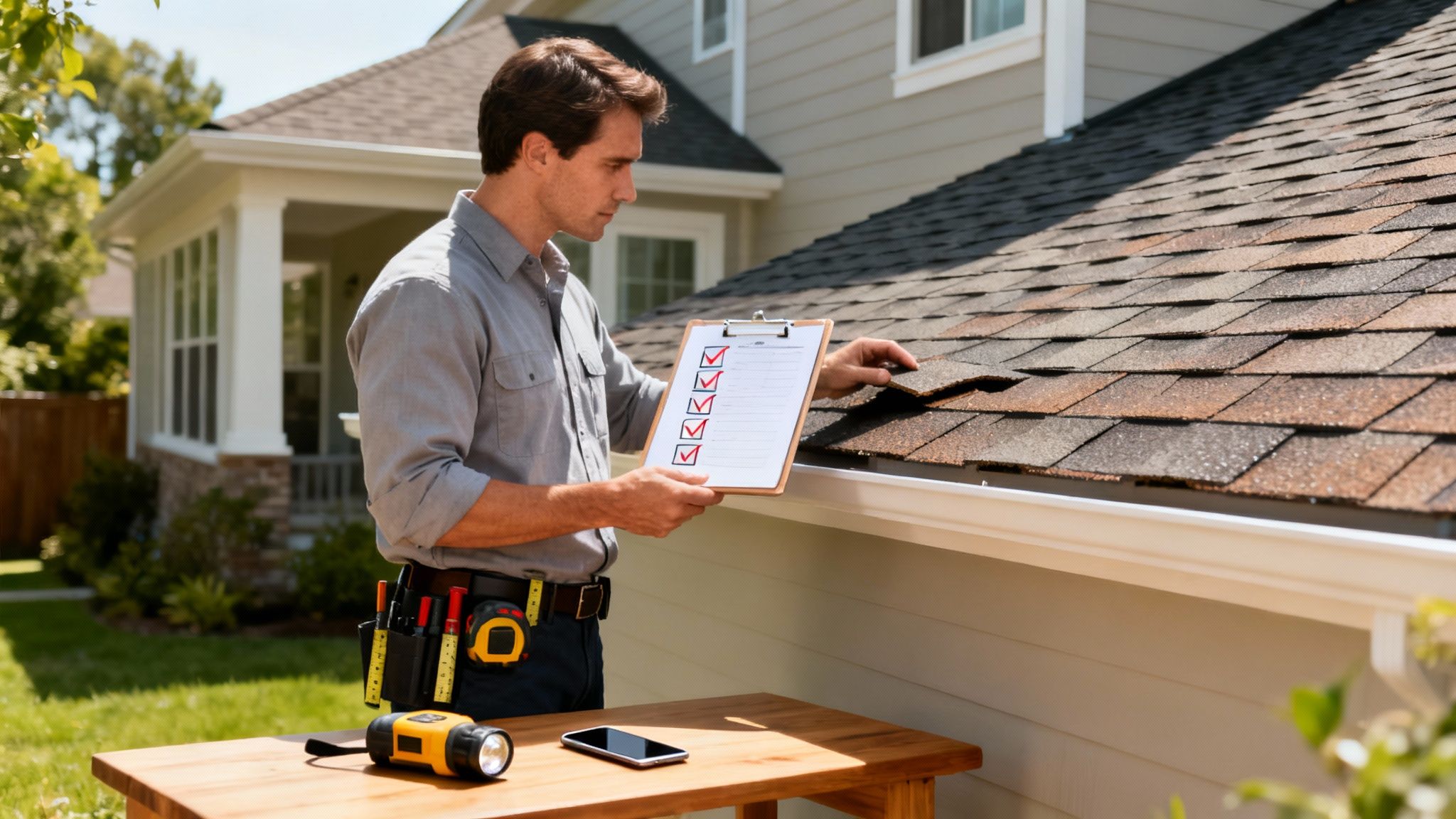
A home inspection starts before you step inside. Experienced buyers analyse the evidence already available, from council records and mapping layers to drainage, recent sales, and room proportions. That early work protects your time and reduces costly oversights. By arriving with firm questions, each visit becomes a practical check of structure, value, location, comfort, and likely future costs.
Start With Fit
Before booking inspections, you need to set firm limits regarding budget, commute, land size, flood exposure, and daily services. Reviewing houses for sale in Gladstone through that lens keeps your shortlist grounded. A property may look great in photographs, but poor storage, awkward access, unsuitable zoning, or weak ventilation can make a visit less worthwhile.
Check Price Signals
Recent sales show whether an asking price is justified. Compare homes with similar bedrooms, land area, age, slope, street position, and renovation quality. A low figure may reflect structural wear, drainage issues, or seller pressure. A premium should be justified by the property’s condition, outlook, access, and durable upgrades. By relying on evidence, buyers can prevent emotions from influencing their inspection priorities.
Review Location Risks
The street can carry risks that the building cannot mitigate. Check traffic noise, stormwater paths, slope, nearby industry, school access, and public transport. Mapping tools may reveal easements, creeks, power lines, or busy intersections. A separate drive past the property at night or during school pickup times can reveal parking pressure, noise patterns, and neighbourhood activity.
Study the Floor Plan
A floor plan often shows friction before a buyer reaches the door. Pay attention to wasted hall space, cramped living zones, poor bedroom separation, and bathrooms opening into busy areas. Daylight should reach all frequently used rooms, not just formal spaces. Storage warrants close attention.
Read the Listing Carefully
The language used in listings can provide insights into inspection priorities. Terms such as original, character, opportunity, or potential often point to age, deferred maintenance, or renovation demand. Missing information matters as much as what is mentioned. If roof age, cooling, drainage, approvals, or pest history are absent, make sure to ask about them during the inspection.
Inspect the Exterior First
The outside usually reveals how the property has been cared for. Look at roof lines, gutters, paint, retaining walls, fences, paving, and drainage falls. Cracks near corners, ponding water, or leaning structures need closer review. Garden beds should not trap moisture against walls. Exterior defects can indicate issues such as structural movement, water ingress, or the need for repairs inside ceilings and subfloors.
Look Beyond Styling
Fresh paint, candles, rugs, and rented furniture may distract potential buyers from stains, uneven floors, swollen skirting boards, or sticking doors. Check window seals, ceiling edges, cupboard interiors, and airflow. Strong fragrances may mask dampness, mould odour, or pet smells. If permitted, test taps, flush toilets, and listen for slow drainage.
Ask About Running Costs
Purchase price is only one part of affordability. Ask for council rates, water charges, insurance expectations, body corporate fees if applicable, and recent energy use. Insulation, solar, window quality, hot water systems, and cooling equipment all affect monthly expenses. Older appliances or inefficient air conditioning can quickly turn manageable expenses into financial burdens.
Confirm Renovation Records
Ask about extensions, decks, sheds, pools, plumbing changes, electrical upgrades, and removed walls. Unapproved work can affect lending, insurance, resale value, and safety. A building inspector may identify physical concerns, but documents are still important. Council searches and seller records should match the rooms, structures, and services seen on site.
Plan Your Questions
Preparation makes a short inspection far more useful. Bring a checklist covering structure, water entry, power, ventilation, security, storage, and likely repairs. Each question should connect to cost, safety, liveability, or resale risk. Photos and notes will help you compare properties later. A systematic approach will allow you to make decisions based on evidence.
Conclusion
To make a sound decision, you need to check price evidence, location risk, layout, visible condition, ownership costs, and approval records together. Each element adds context, and together they show whether a house fits your needs. With thorough preparation and direct questions, every inspection becomes less rushed, more useful, and financially clearer.