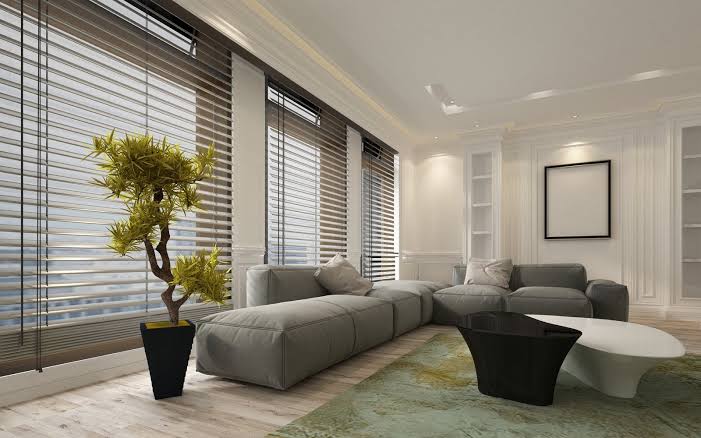
Blinds influence daylight, privacy, room temperature, and how a home feels through daily use. The best selection starts with the way each space functions, then considers window size, sun exposure, airflow, and cleaning needs. A bedroom asks for darkness, while a kitchen needs wipeable surfaces. With the right material, fit, and operating system, each window can support comfort without making the interior feel closed in.
Start With Local Needs
Before choosing fabric or colour, homeowners should consider street exposure, summer heat, and how often each room is used. Families comparing options for blinds in Dandenong can assess roller, Venetian, Roman, vertical, outdoor, and dual roller styles for light control, privacy, insulation, and daily comfort across Melbourne homes.
Living Room
Living rooms need balance rather than complete darkness. Screen roller blinds reduce glare on televisions and reading areas while keeping an outdoor view. Roman blinds suit quieter rooms where texture matters as much as function. For broad glass, vertical blinds remain practical because they slide cleanly, stack neatly, and allow easy movement through busy shared spaces.
Bedrooms
Bedrooms perform best with dependable light control and privacy after dark. Blockout roller blinds can reduce early morning brightness, which helps support steadier sleep patterns. Dual roller systems give more range, with one layer for daytime screening and another for night coverage. Soft neutral shades usually work well because they settle the room without adding visual weight.
Kitchen
Kitchens need materials that cope with steam, heat, and frequent wiping. Roller blinds are often suitable because their flat surface does not trap much dust or cooking residue. Aluminium Venetian blinds can also work near food preparation zones, as the slats allow light adjustment and airflow. Avoid placing delicate fabrics close to sinks, cooktops, or splash-prone benches.
Bathroom
Bathrooms need privacy, moisture resistance, and quick-drying surfaces. Polywood, aluminium, or suitable roller fabrics usually perform better than absorbent textiles. Pale colours can make compact bathrooms feel cleaner and brighter, especially where natural light is limited. Any blind near a bath or shower should resist swelling, clean easily, and withstand repeated humidity without losing shape.
Dining Area
Dining rooms often need a softer finish than work zones. Roman blinds can add structure to timber furniture, linen, or upholstered seating. Sheer styles suit daytime meals because they diffuse sharp sunlight without making the room feel shut off. Where evening privacy matters, dual rollers provide an extra layer once interior lights are switched on.
Home Office
A home office needs controlled light more than decoration. Screen roller blinds reduce reflections on monitors while allowing daylight to remain in the room. Venetian blinds are useful when a desk sits near a window because slats can redirect brightness away from the eyes. Calm neutral tones also help during video calls, reading, paperwork, and sustained computer use.
Children’s Rooms
Children’s rooms need child-friendly design, durable materials, safe operation, and reliable privacy. Blockout blinds help with naps, early bedtimes, and rest during bright mornings. Cord safety should be checked carefully, with compliant control systems used in any child’s space. Colour can be cheerful, yet the blind should still suit later changes in bedding, paint, furniture, and storage.
Sliding Doors
Sliding doors need coverage that moves with the opening, not against it. Vertical blinds remain useful because they travel sideways and suit daily access to patios or gardens. Panel glide blinds also work across wide glass, especially in open-plan rooms. Screen fabrics can reduce glare while preserving a clear connection between indoor and outdoor areas.
Outdoor Areas
Outdoor blinds can make patios, balconies, and alfresco spaces more usable during wind, glare, or light rain. Strong fabric and secure fittings matter because exterior coverings face harsher conditions than indoor styles. Colour should sit comfortably with brickwork, render, decking, paving, and roof materials. A good match looks settled from both the inside and the outside.
Colour and Finish
Colour changes how a room feels and how often marks show. Pale blinds brighten smaller rooms, while deeper tones frame views with stronger contrast. Textured fabric can add warmth without relying on busy patterns. Samples should be checked in morning, afternoon, and evening light because one shade can shift noticeably through the day.
Measure and Fit
Accurate measuring protects privacy, insulation, and the final appearance. Small gaps can let in unwanted light and make a window treatment look unfinished. Recess-fitted blinds suit square frames with enough depth. Face-fitted options cover more glass and improve light blockage. Professional measuring is helpful for bay windows, oversized openings, uneven frames, and layered window treatments.
Conclusion
Choosing blinds room by room leads to better comfort and fewer compromises. Living areas need flexible daylight, bedrooms need darkness, kitchens need wipeable finishes, and bathrooms need moisture-resistant materials. Offices, children’s rooms, sliding doors, and outdoor areas each place different demands on fabric, fit, and control. With careful measuring and clear priorities, every window can work harder for privacy, light, temperature, and daily ease.