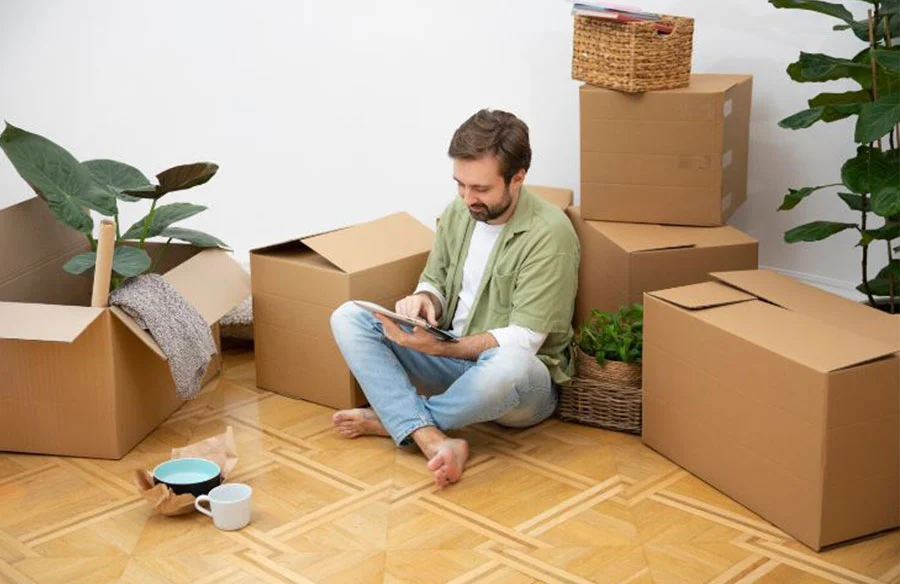
Parquetry gives a floor a clear design role at first glance. Timber blocks are arranged with intent, so grain, direction, and proportion shape the whole room. Instead of sitting quietly beneath furniture, the surface adds rhythm and depth. That is why parquetry suits homes, apartments, offices, and retail spaces where warmth matters, yet a stronger architectural statement is needed.
Pattern With Purpose
In Melbourne interiors, timber floors must answer both style and daily wear. Choosing parquetry flooring in Melbourne can make sense where herringbone, chevron, or panel layouts need to define a room without loud colour. Pattern provides order, timber adds warmth, and the final result can sit comfortably in heritage or contemporary settings.
Geometry Creates Presence
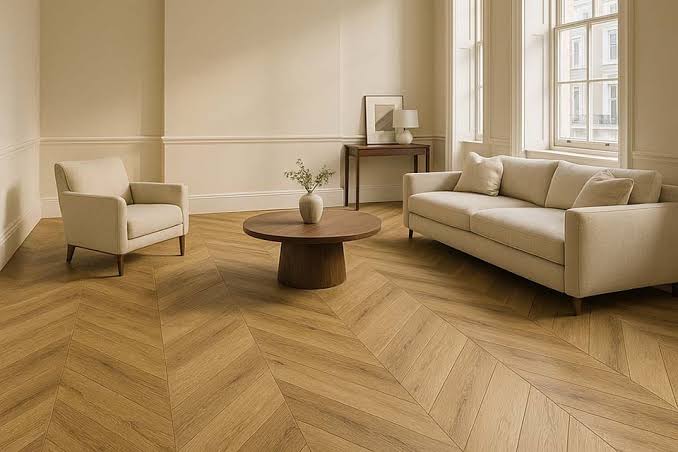
Parquetry gains its strength from its layout. Herringbone draws movement through halls and living zones. Chevron can lengthen sightlines in narrow rooms. Basketweave or panel formats bring formality to dining areas and entries. The floor starts to influence how people read proportion, circulation, and scale.
Timber Adds Warmth
Pattern needs the right material to avoid feeling hard or clinical. Timber brings grain, mineral streaks, knots, and tonal change. Parquetry gives a floor a clear design role at first glance. Timber blocks are arranged with intent, so grain, direction, and proportion shape the whole room. Oak can feel calm and pale. Spotted gum offers stronger colour contrast. Blackbutt gives a lighter Australian character. Species choice affects mood as much as pattern.
A Floor With Heritage
Parquetry has a long design history, yet it need not feel old-fashioned. Historic homes used it for craft and status. Current interiors use cleaner lines, quieter finishes, and engineered construction. That combination helps it uphold traditional rooms while still fitting apartments, extensions, and new houses.
Small Blocks, Big Detail
The detail comes from many pieces acting as one surface. Parquetry gives a floor a clear design role at first glance. Timber blocks are arranged with intent, so grain, direction, and proportion shape the whole room. Each block has its own grain direction and reflection. Morning light may catch one angle, while afternoon sun reveals another. This shifting appearance gives parquetry more visual life than a uniform board floor.
Flexible Style Range
Parquetry adapts because pattern, species, and finish can be adjusted. A period house may suit a warmer tone with a classic border. A minimal apartment may need pale timber and a restrained layout. Retail or studio spaces can use stronger geometry to signal permanence and care.
Built For Busy Rooms
A statement floor still has to perform. Properly installed parquetry can work in entries, living rooms, offices, and hospitality settings. The base must be level, dry, and stable. In some cases, individual blocks may be repaired locally, which helps where furniture, shoes, and cleaning routines place pressure on the surface.
Finish Shapes Mood
Finish changes the character of parquetry more than many people expect. Matte coatings soften reflection and keep grain natural. Satin finishes add a gentle lift without a glossy look. Stains can deepen tone or even out variations. Parquetry gives a floor a clear design role at first glance. Timber blocks are arranged with intent, so grain, direction, and proportion shape the whole room. The best coating supports the pattern instead of fighting it.
Scale Matters
Proportion decides whether parquetry feels balanced. Larger blocks suit open rooms because the pattern needs space. Smaller formats can add detail to entries, studies, or feature areas. Borders may frame a room neatly. Designers often check ceiling height, daylight, wall colour, and furniture mass before choosing scale.
Why It Feels Bold
Parquetry feels bold because it gives the floor a voice. Parquetry gives a floor a clear design role at first glance. Timber blocks are arranged with intent, so grain, direction, and proportion shape the whole room. The confidence comes from structure, not visual noise. Repeated geometry keeps the effect disciplined. Natural timber keeps it approachable. That balance lets the surface draw attention while still supporting furniture, artwork, lighting, and daily life.
Conclusion
Parquetry flooring stands out because it combines craft, pattern, texture, and practical value in one surface. It can make a compact room feel considered and give a larger space stronger definition. The best outcomes come from matching layout, timber species, block size, and finish to the setting. For interiors that need presence without excess, parquetry remains a confident and enduring choice.